Rick Sanchez, the grandfather in Rick and Morty, is the smartest man in the universe. That is not a figure of speech within the show; it is the premise. He has a portal gun that opens a door to any reality. He has built a car out of garbage that can outrun a fleet. He has cured diseases, destroyed planets, cloned himself, replaced his own body, and once turned himself into a pickle to get out of family therapy.
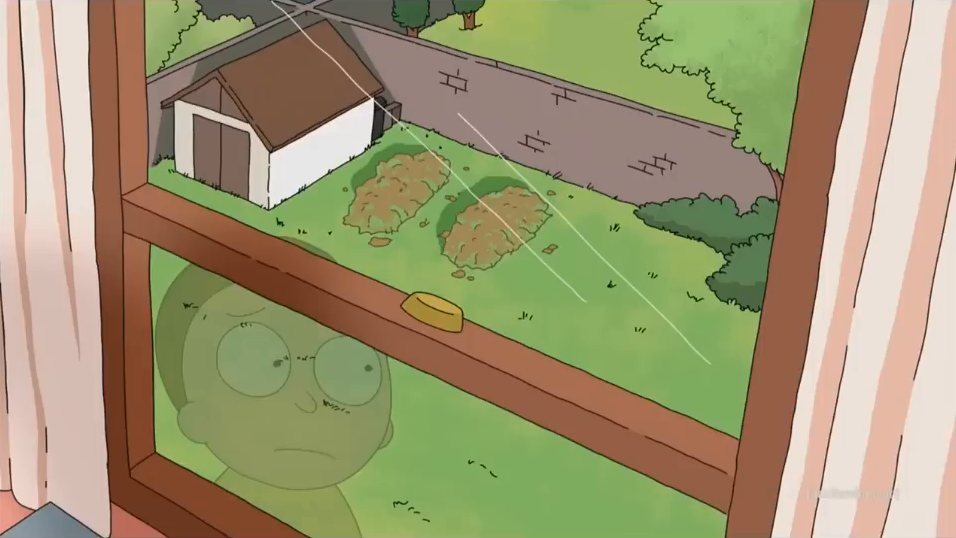
He is also, by every measure the show allows, miserable. He drinks from a flask that never leaves his hand. He treats the people who love him as disposable, because in an infinite multiverse, everyone is. The show’s most-quoted line is something Morty says to his sister while they bury their own corpses in the backyard: nobody exists on purpose, nobody belongs anywhere, everybody’s going to die — come watch TV.
I bring Rick up because he is, as far as I can tell, the single clearest picture in popular culture of what it looks like to have all of the technology and none of the recognition.
Here is the thing I believe that most people in my industry find hardest to accept, so I am going to say it as directly as I can.
We have the technology in hand to build superintelligence. Now. Not in a lab somewhere; on the shelf. The components exist. The models exist. The chips exist, the data centres are being poured, the methods are published. If you had asked me in 2015 what we were missing, I would have given you a list. In 2026 the list is empty.
So why has it not happened?
The dramatic map says: it is coming, the curves have not crossed yet, give it until 2045. I think that is a dodge. I think the honest answer is the one Rick Sanchez embodies, which is that technology does not assemble itself into meaning. Somebody has to walk into the garage, look at the pile of parts, and see what it is.
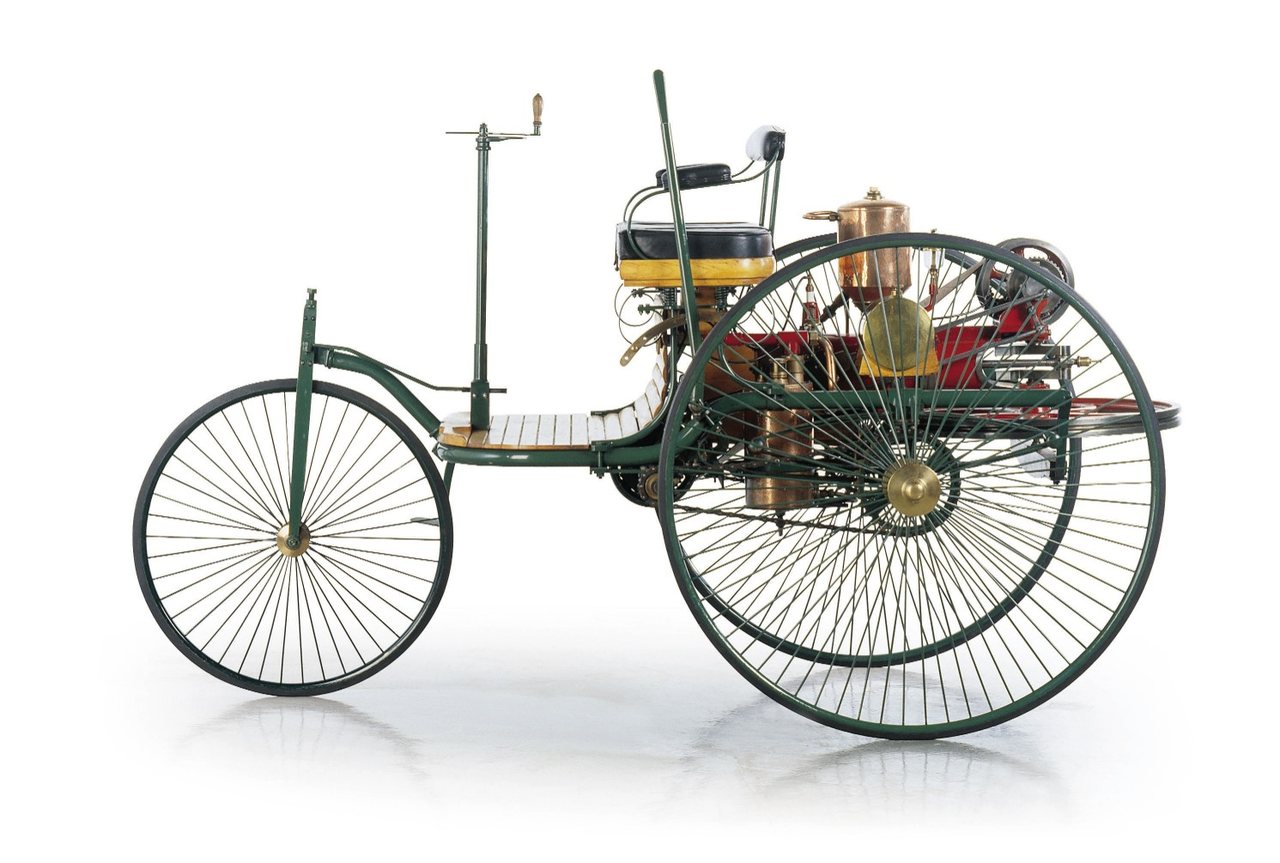
Every big thing in the history of technology worked this way. The pieces of the automobile — the engine, the wheel, the carriage — were all lying around for years before someone combined them. The pieces of the telephone were in several labs at once. In 1965, a seventeen-year-old named Ray Kurzweil went on a television game show and played a piece of music on a piano that had been composed by a computer he built in his bedroom, out of parts that any electronics hobbyist could have bought. Nobody had put them together that way. He did. The untouchable thing was made of touchable things.
The missing part in 2026 is not a technology. It is a person. It is someone with enough history in the machines, and enough history as a human being, to recognize the pattern in the pile and put it together. Which is, I should admit, why I am writing this. I have been in the garage for twenty-six years. I think I can see the shape.
But there is a second thing Rick teaches, and it is the one I actually care about more.
Rick has every technology and he is the loneliest character on television. Because he has made the mistake that the dramatic map of the singularity makes: he has treated the technology as the point. The portal gun is the meaning. Being the smartest is the meaning. And when you make that move, you end up exactly where he ends up — able to go anywhere, belonging nowhere, telling your grandson to come watch TV because nothing matters.
Don’t Look Back
Rick and Morty, feat. Kotomi & Ryan Elder · From Rick and Morty: Season 4 · 2020
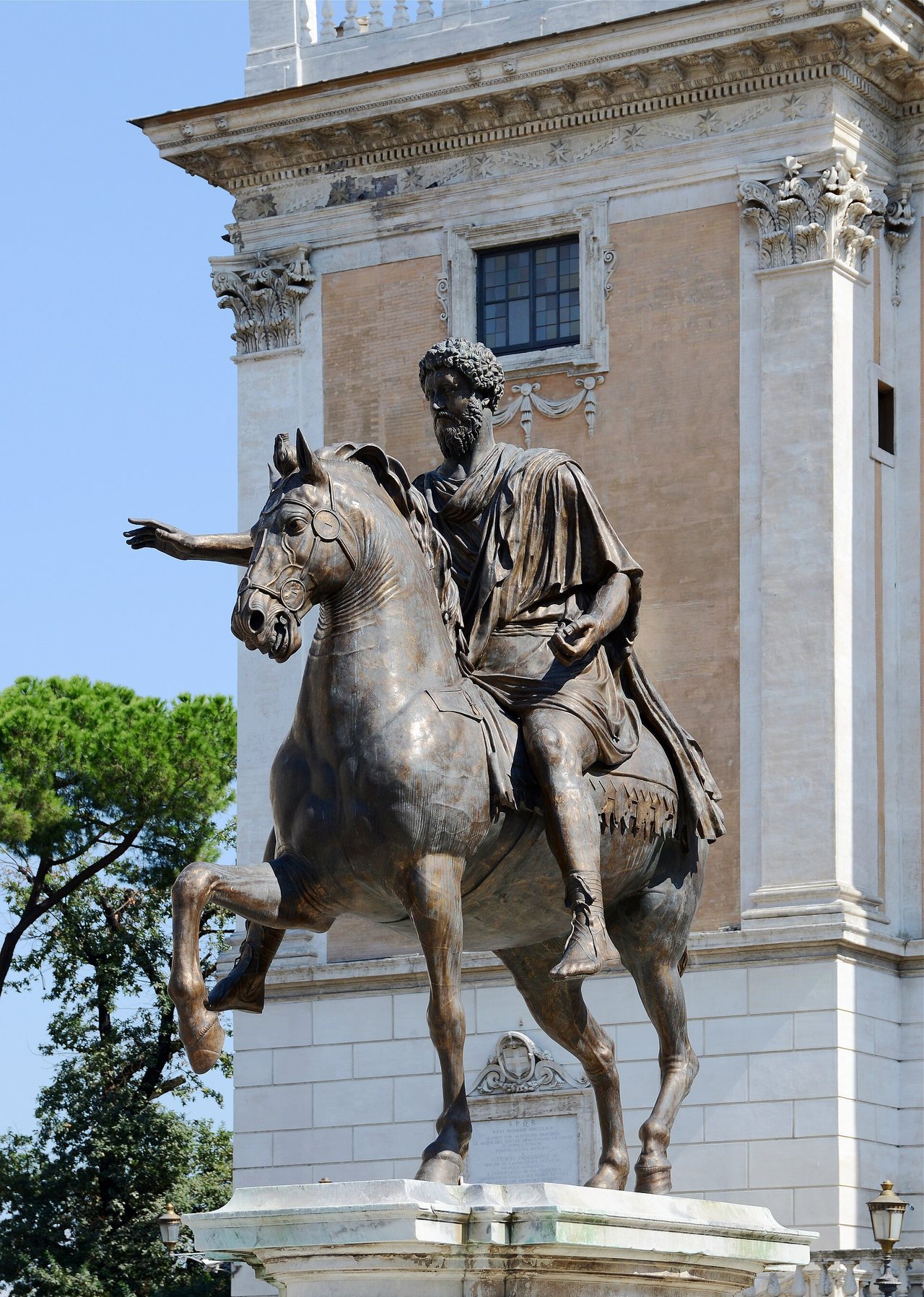
The ancient Stoics would have recognized him immediately. Marcus Aurelius, the Roman emperor who wrote a private journal to keep himself sane while running the world, kept returning to one idea: you do not control outcomes, you control your response to them, and the entire project of a life is to get that response right. The Stoics had no technology to speak of. They had the opposite problem from Rick. And they arrived at the thing he cannot find, which is that meaning is not a feature of the universe; it is something a person does, inside a specific life, with specific other people, on purpose.
So nobody exists on purpose. Fine. The Stoics would nod. And then they would say: so exist on purpose anyway. That is the whole job.
I want to connect this to the boy on the stool, because this is where the blog stops being about television and starts being about what I actually believe.
My parents had almost no technology. My father built with his hands and travelled by bus. My mother operated a cash register someone else designed. Neither of them, as far as I know, ever thought about artificial intelligence for a single minute of their lives. And yet they had the one thing Rick Sanchez does not have, and the one thing a machine cannot be given, which is that they knew what they were doing it for. They were doing it for the boy. Every shift, every bus, every cabinet. On purpose.
That is not sentiment. That is the argument. The singularity, as I define it, is a pile of parts in a garage. What makes it mean something is the person who walks in with a reason. The technology was never the hard part. The hard part was always the human being standing in front of it, deciding what it is for.
Rick has the garage. My parents had the reason. I am trying, in this blog, to be the person who has both.