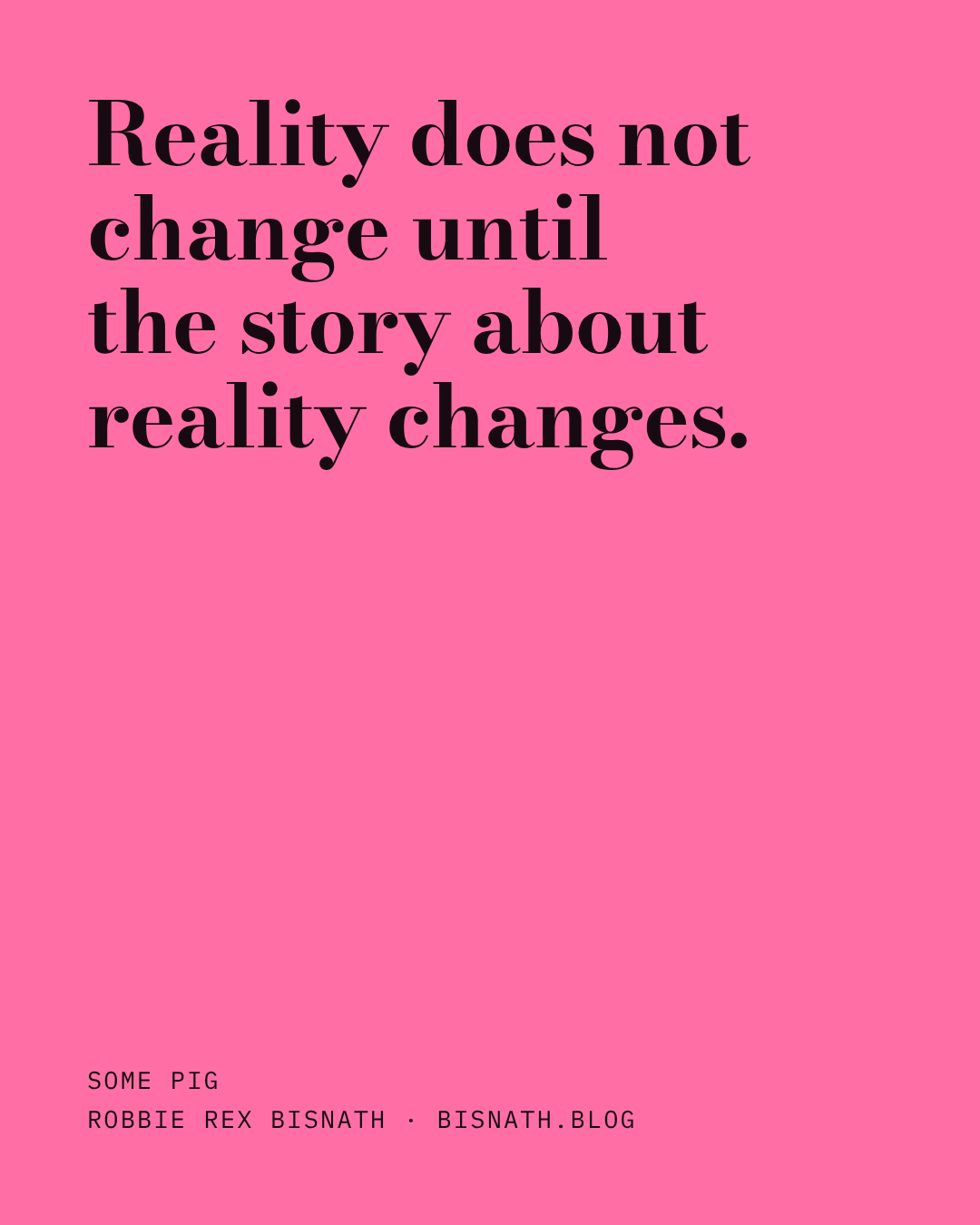
Everyone knows the story of Charlotte’s Web, or thinks they do. A runt pig named Wilbur is saved from the axe by a girl named Fern, sent to live on her uncle’s farm, and told by the other animals that he will be bacon by Christmas. He panics. And a grey spider in the corner of the barn — Charlotte — tells him to calm down, because she has a plan.
The plan is the part people forget. Charlotte does not break Wilbur out of the barn. She does not negotiate with the farmer. She does not make Wilbur any different than he was. She goes up into the rafters, over the pigpen, exactly where the farmer and his family and every neighbour will be looking, and she weaves two words into her web.
Some pig.
That is it. That is the whole intervention. Two words, placed in the one spot where everyone who matters will see them, at the one moment when the alternative is a knife.
And the farmer sees the words, and the farmer’s wife sees the words, and the minister preaches about the words on Sunday, and people drive in from three counties to look at the pig, and nobody ever mentions bacon again.
Wilbur was not changed by this. Wilbur was the same pig before the web and after the web. What changed was the story about Wilbur, and the story changed because the right words were put on the right medium at the right time.
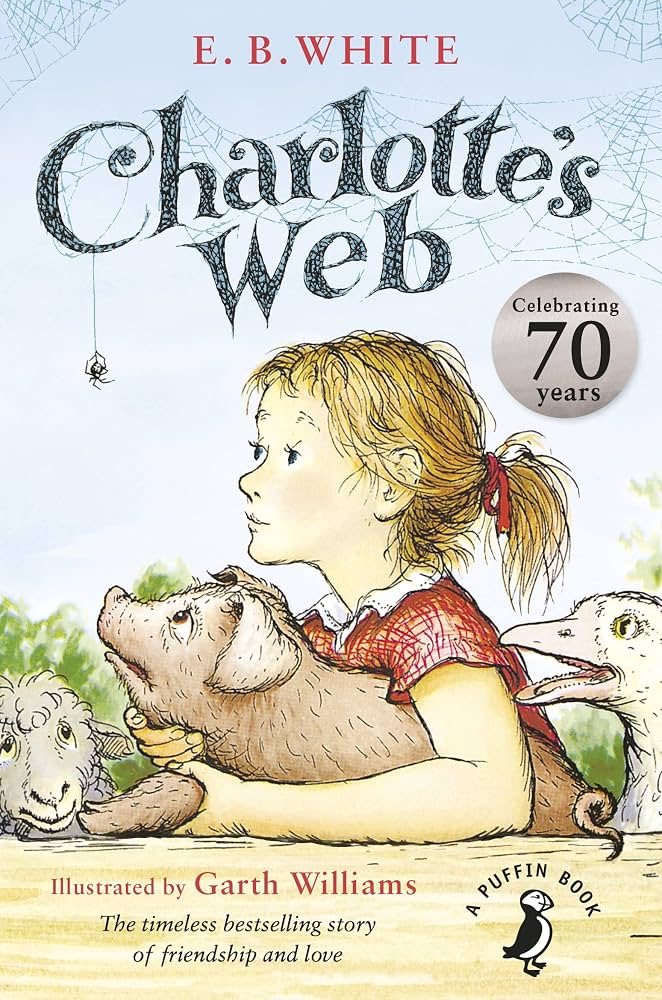
E. B. White wrote the book in 1952. Twelve years later, a professor at the University of Toronto named Marshall McLuhan published Understanding Media, and in it he wrote a sentence that people have been arguing about ever since: the medium is the message.
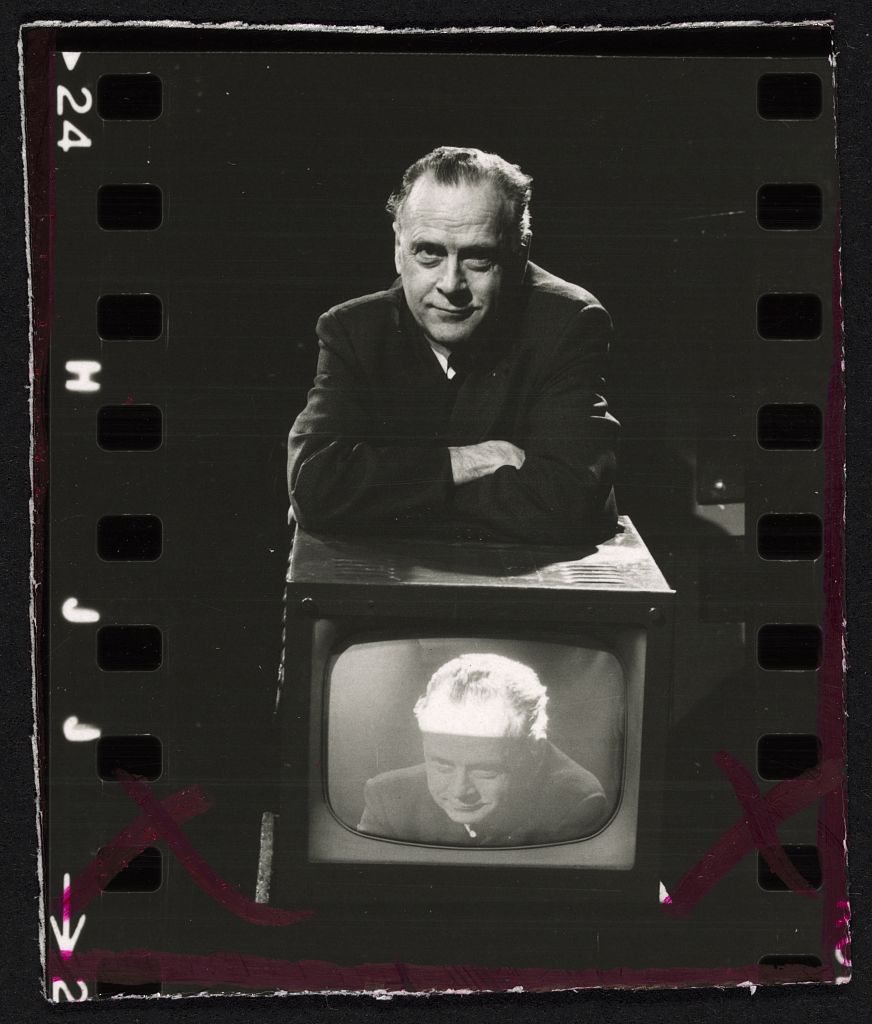
McLuhan’s point, boiled down, is that we spend all our attention on what is being said and almost none on how it reaches us — and that the how shapes us more than the what. The content of television is a show. The message of television is that millions of people are now sitting in their living rooms at the same hour looking at the same glowing box, and that changes what a country is. The content of the printed book is a story. The message of the printed book is the private, silent, individual reader, which is a type of human that barely existed before Gutenberg.
Charlotte understood this. The message of “Some Pig” was not really the words. It was the web. It was a sign that appeared, overnight, in a place where no sign should be possible, in a form nobody could explain. The farmer did not conclude “that is a nice pig.” The farmer concluded “a miracle is happening in my barn,” and once you believe a miracle is happening, you treat the pig accordingly.
The medium — a spiderweb — was the message. The words were just what you read once you were already amazed.
I want to tell you why this matters to me personally, and then I want to tell you why it matters to the argument.
Personally: in the summer of 2026, after twenty-six years in the technology industry — business analyst, then product owner, then senior product owner, building software for banks and car dealers and media companies — I was let go. It was a Monday in July. I took the walk that everyone who has been let go takes, the one where you are carrying a box, and somewhere on that walk I decided to call what came next a sabbatical rather than an unemployment. That was my first act of narrative control. It was not a lie. It was a web.
Because here is what I learned in the months after: when you are between jobs, you are Wilbur. There is a conversation going on about you, in rooms you are not in, and the default version of that conversation is not flattering. The default is “runt.” And you have one tool. You have words, and you have the places where people are looking — which in 2026 means a professional networking site, a blog, a résumé, a conversation with an AI model that is helping you draft all three.
So I started weaving. I wrote about what I actually knew. I put it where the farmers were looking. I did not pretend to be a different pig. I just made sure the story about the pig got told by the pig first.
I say this not to make the blog about my job search — it isn’t — but because I think it is the cleanest small example of the biggest idea in this blog, which is this:
Reality does not change until the story about reality changes. And the story does not change until someone puts the right words on the right medium.
The singularity is real. The machines that can think — in the only sense of the word that matters for daily life — are built, trained, and sitting in your phone. But most people have not read the web yet. They are still looking at the pig and seeing a pig. Someone has to go up into the rafters.

That is the job of this blog. I am not Charlotte. I am a product manager from M6N with a stack of paperbacks and a Crave subscription. But I have watched the web being woven from the inside for a quarter century, and I think I can tell you what it says.