There is a novel that a certain kind of young man reads at nineteen and never fully recovers from. It is twelve hundred pages long. It opens with a question — “Who is John Galt?” — that the characters use the way we use a shrug, and ends with a sixty-page radio speech by the man himself, explaining that the world’s producers have gone on strike and left the parasites to run things into the ground.
Atlas Shrugged. Ayn Rand. 1957.
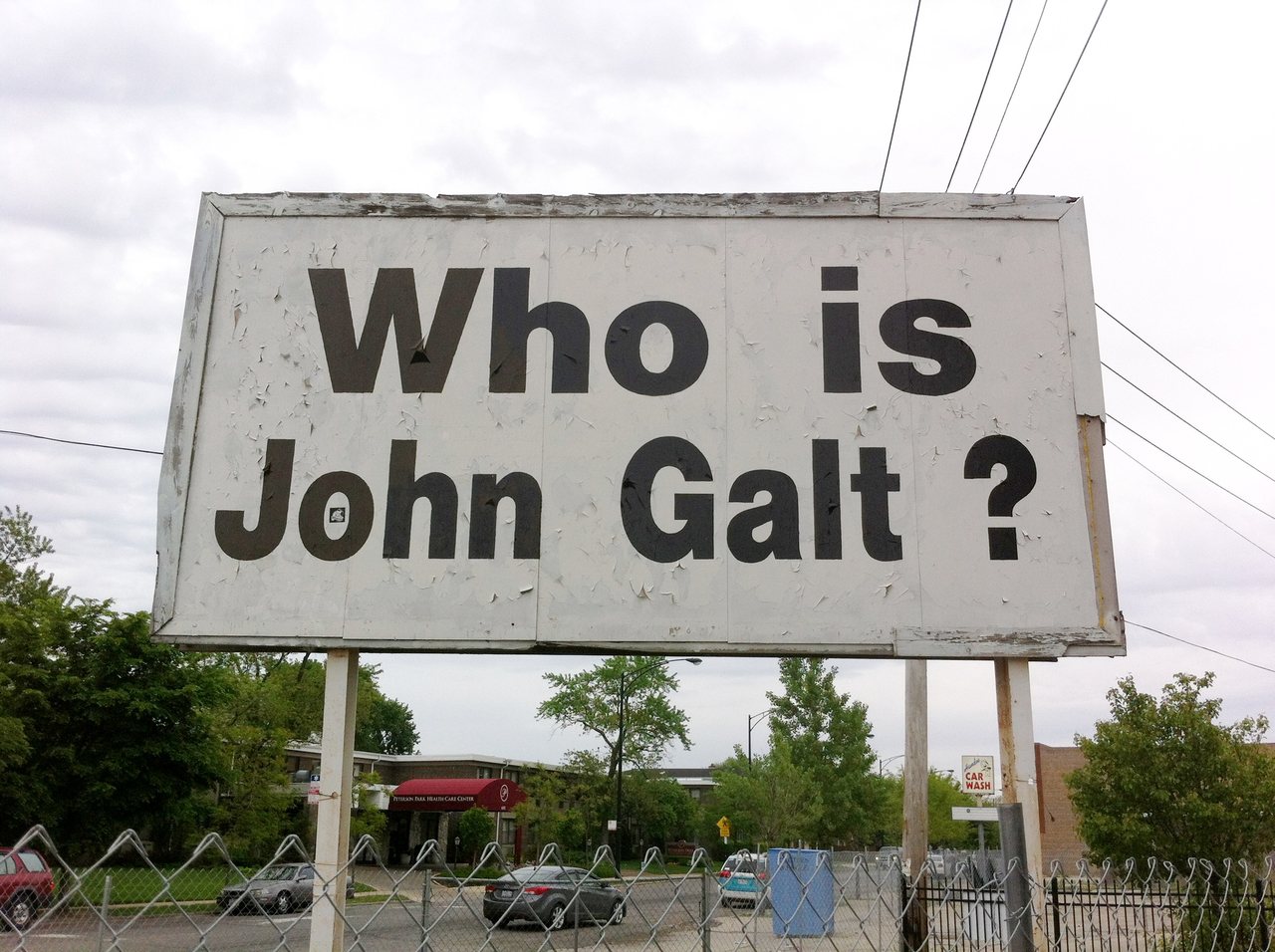
I am not going to defend the book — the longer version of me has a whole chapter on why I think its moral arithmetic does not work — but I want to take the question seriously, because I think Rand saw something true and then got the answer precisely backwards, and the backwardness is instructive.
What she saw: that civilization runs on a relatively small number of people who actually build things, and that those people are often invisible, taken for granted, and treated as if their work simply falls from the sky. She was right about that. She was right that the motor does not spin on its own. Somebody designed it. Somebody sat in the garage.
What she concluded: that those people are a different kind of human — the producers, the prime movers — and that their only moral obligation is to themselves. Galt’s strike is the fantasy of every overworked, under-thanked builder: what if we just stopped, and let the rest of them see what they are without us?
Here is why I think she had it backwards, and it goes straight to the “we” of this blog.
My father was a cabinet maker. He built real things with real joints out of real wood for people who paid him real money. By Rand’s definition, he was a producer. And then the cabinet work dried up, as trades do, and he put on a security guard’s uniform and sat at a desk in Scarborough watching a lobby, and by Rand’s definition he had become — what? A parasite? A man of no account?
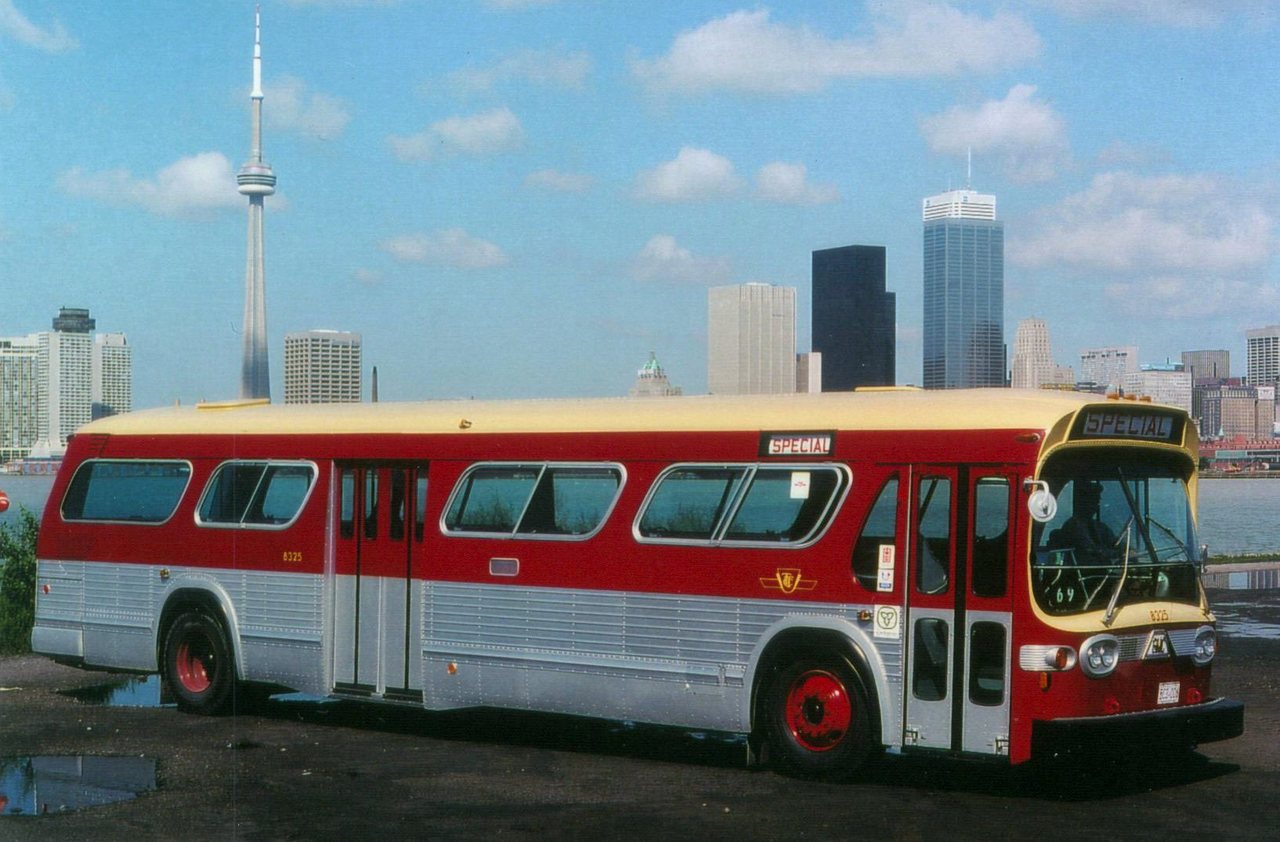
He was the same man. He had the same hands. He rode the same bus. The difference between the producer and the parasite, in his life, was a change in the Toronto housing market that he did not cause and could not control. Rand’s categories are a map. My father was the territory, and the map did not fit him on any day of his life.
And my mother. By any economic measure she was a cog — a cashier, operating someone else’s register in someone else’s store. By any measure that matters, she was the single most important producer in my life, because she produced me: a child who, for lack of childcare, sat behind that register and watched a system work and grew up to spend a career designing them. The value she created did not show up on any balance sheet for thirty years, and when it did, it showed up in the wrong column.
This is what Rand cannot see, because her map has only two kinds of people on it.
Production does not happen in a person. It happens between people, over time, in ways no ledger can follow.
The boy on the stool is the product of a cabinet maker who took the bus, a cashier who brought her kid to work, a neighbourhood that got up early, a public transit system, a public school, a community college, a university, and a few thousand strangers who built the tools he learned on.
Who is John Galt? Everyone. That was always the answer. That is why nobody in the book could say it.
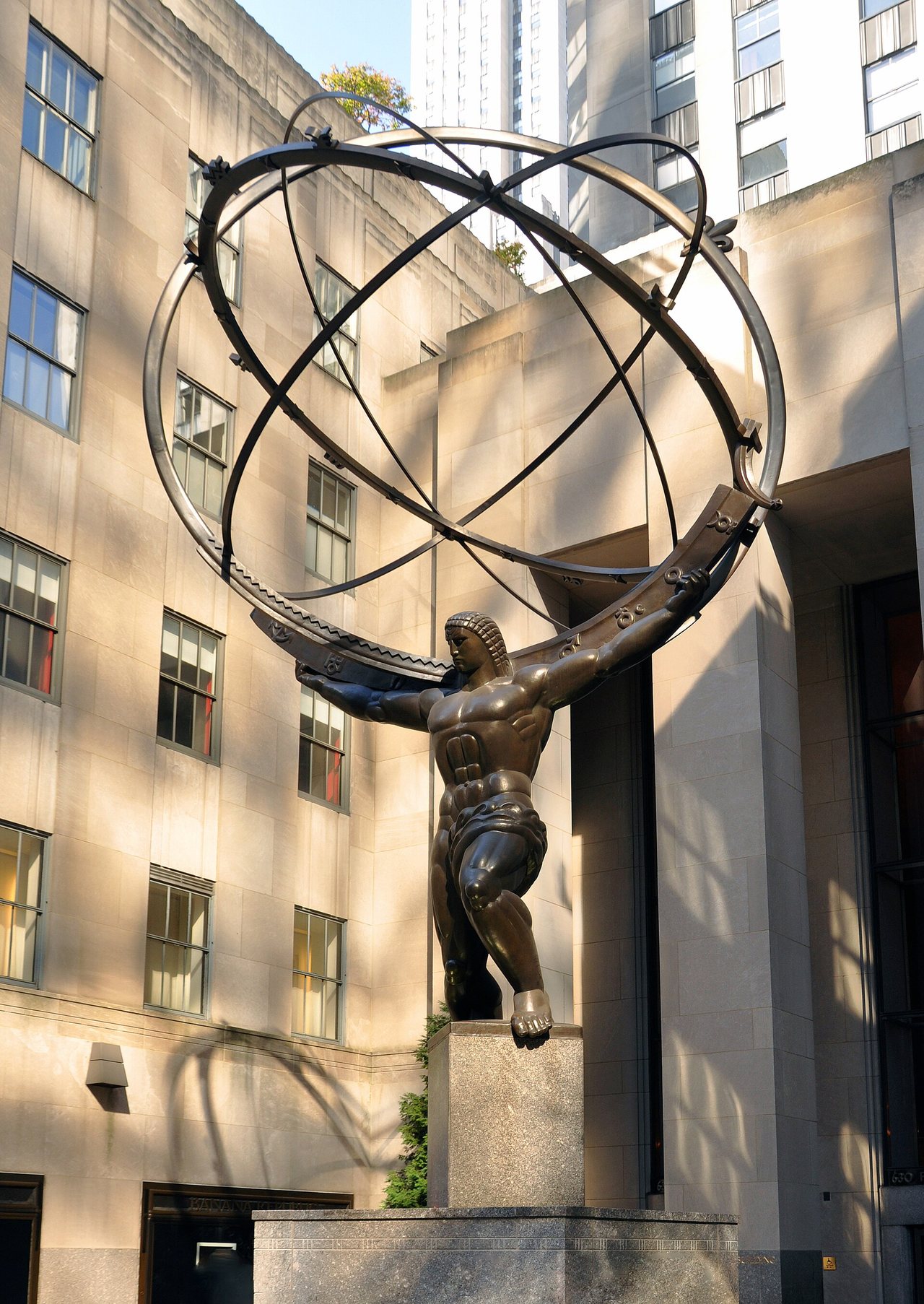
Now apply this to the machine, because it is the same mistake in a new suit.
The dramatic map has a Galt in it. It has the Genius — the founder, the lab, the one company that gets there first and takes the prize. The whole conversation around AI in 2026 is organized around this figure. Which lab is ahead. Which founder is the prophet. Who will build the superintelligence, singular, and what will they do with it.
I think this is Rand’s error again, and I think it is as wrong about the technology as it was about my father.
The singularity did not happen in one lab. It happened in a pile of papers from the 1980s, in video-game chips designed for teenagers, in power grids, in cable laid under oceans, in the open-source code of ten thousand programmers who never met, in the billion people who typed questions into a box and thereby trained the next version. It happened between people. It is the largest collaborative artefact in human history, and the dramatic map wants to give the credit to one man with a speech.
So when I say “we are in control,” I mean the Randian “we,” corrected. Not the producers against the parasites. All of it. The cashier and the cabinet maker and the product manager and the kid with the doughnut and the professor and the person in the data centre at three in the morning swapping a drive. The frail, flawed, guilty, dreaming “we” from chapter seven. That is who built this. That is who holds the checkboxes. That is who deserves to.
Rand asked the right question. Who is John Galt? Who is the one holding up the world?
Look around the barn. It’s everybody. It always was.